 iFrogAI
Apparel · Footwear · Accessories
One garment becomes a full apparel catalogue
Start from a flat-lay, then get on-model shots, model swaps, backdrop swaps and accessory try-ons. Patterns stay aligned, model identity stays stable, and it runs per SKU in batches.
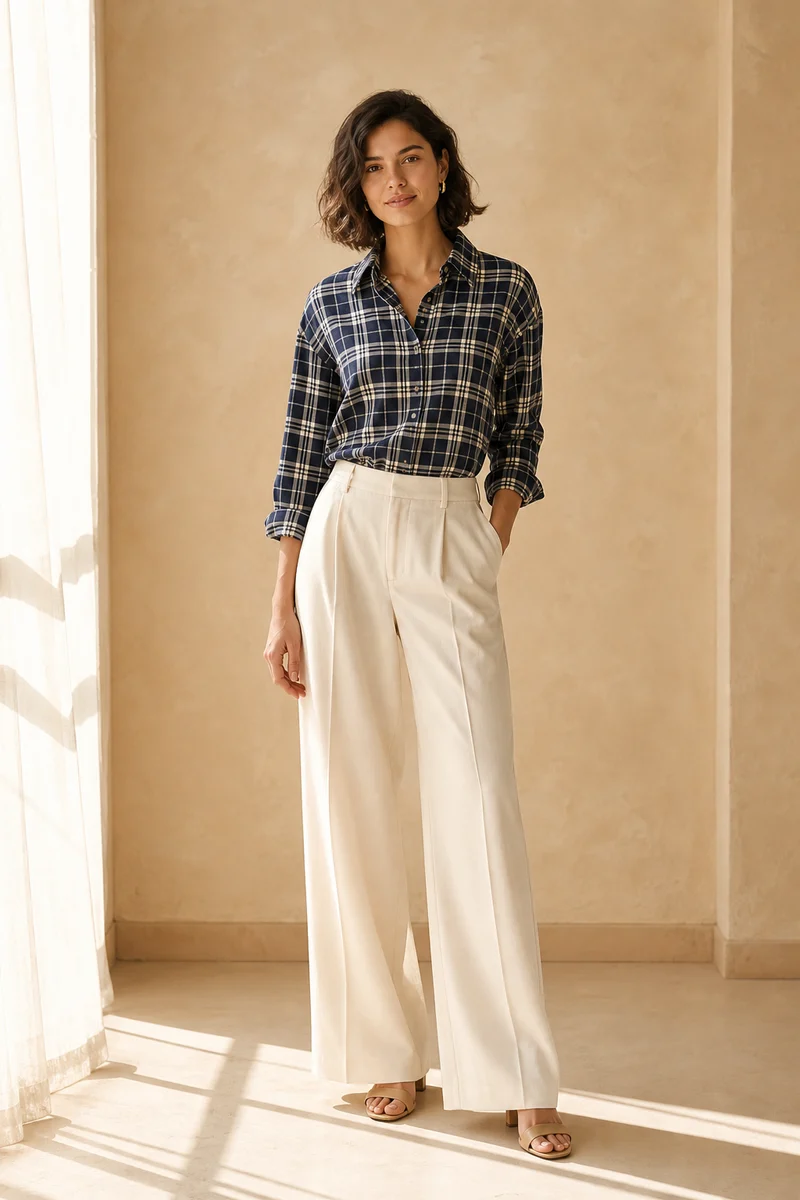
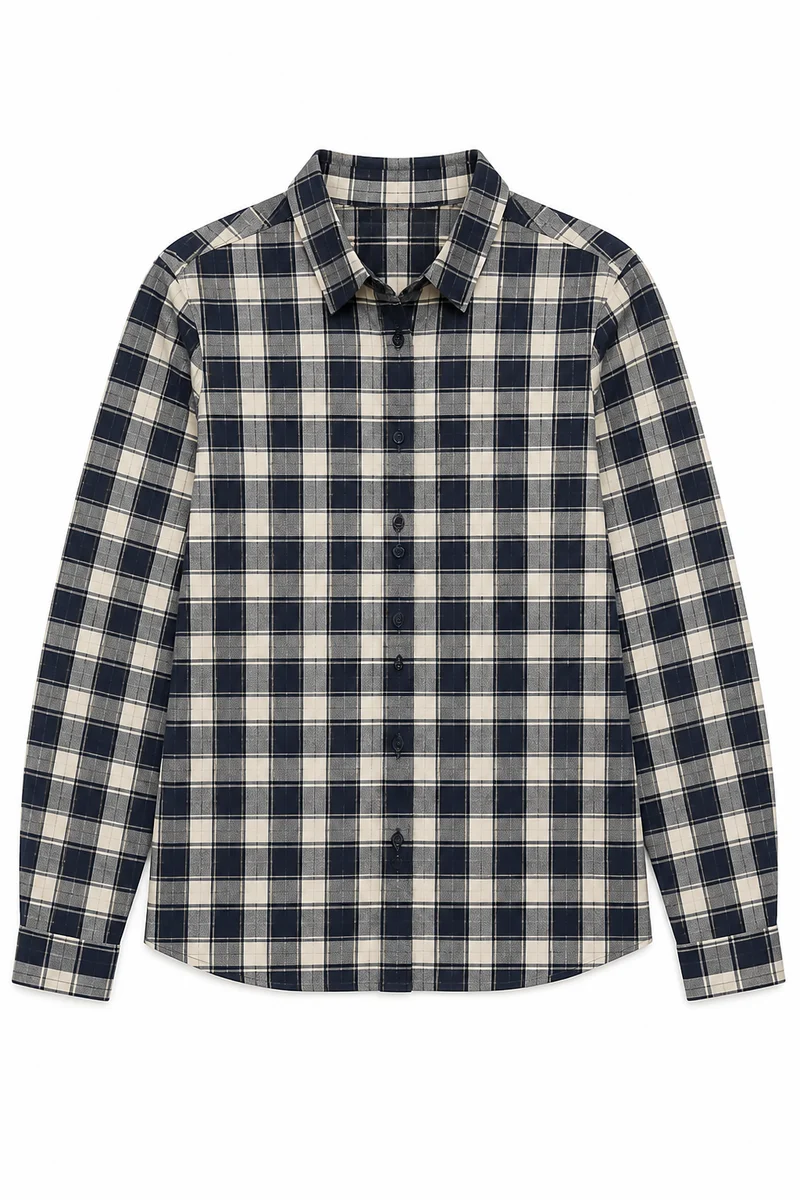
Drag to compare
Start with the hard part: does the pattern line up?
Apparel AI rarely fails on overall impression — it fails on plaid, stripe and print continuity across shoulder seams, cuffs and collars. Look closely.
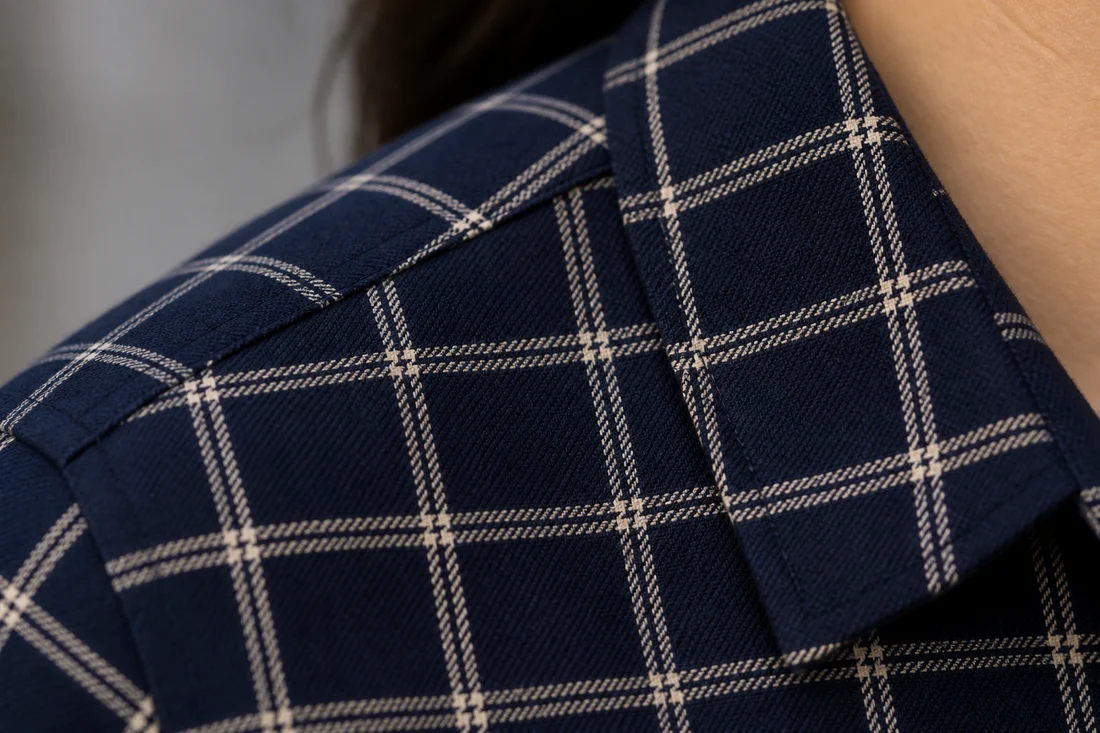
Continuous across seams
Grid lines meet correctly on both sides of shoulder seams, armholes and side seams.
Bends with the body
The pattern deforms with shoulders, chest and waist instead of sitting flat like a sticker.
Weave preserved
The original fabric weave and yarn texture survive rather than smearing into flat colour.
Construction unchanged
Button count, collar shape, placket and pocket positions match the original garment.
Illustrative platform output. Judge it against a test run on your own product.
Same garment, new models and scenes, no drift
One job spreads across body types, ages, skin tones and backdrops, graded consistently enough to ship as a single campaign set.
1
Garment in
Many
Body types
Many
Backdrops
Batch
Runs per SKU
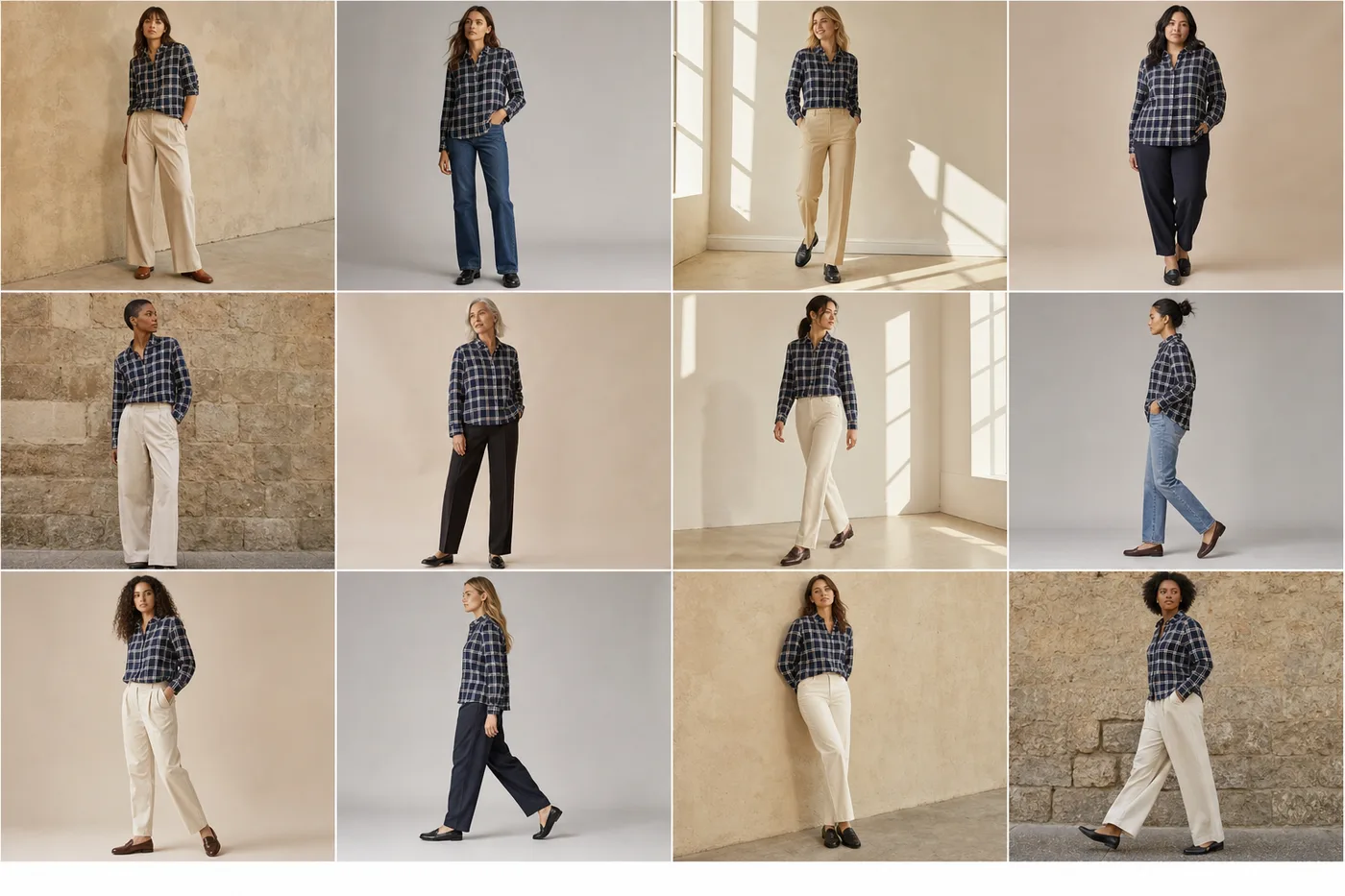
Illustrative platform output, not actual campaign assets from any brand.
Four capabilities, one pipeline
Not four isolated features — a chain you can compose, reuse and run in bulk.
Put it on a model
Turn a flat-lay or hanger shot into an on-model result while keeping the cut and pattern intact.
Swap the model
Switch body type, age and skin tone for your target market, reusing the same garment fit.
Swap the backdrop
Move the same on-model shot into different scenes and seasons to match each channel.
Add accessories
Bags, footwear, hats and jewellery sit naturally on the body to complete the look.
Against a model shoot, you save budget and scheduling
A structural comparison to help you estimate your own effort. These are not promised figures.
| Model photoshoot | Platform output | |
|---|---|---|
| Preparation | Book models, studio, photographer and crew | Upload the garment photo and your requirements |
| Turnaround | Bound by shoot and retouch scheduling | Submit the job and wait for generation |
| Revisions | Reshoot or re-retouch | Adjust parameters and regenerate |
| Scaling up | Limited by that shoot's plan | Add more SKUs in batches |
Real cost and turnaround depend on your SKU count, image requirements and acceptance criteria. Test with real products before you commit.
Output is cleared for commercial use — confirm this first
Apparel imagery goes straight onto product pages and into paid campaigns, so the licensing boundary has to be explicit.
- Results can be used commercially, including product pages, social and paid media
- AI models are generated, not built from identifiable real people
- Your uploads are used only for your own jobs, with project-level isolation
- Enterprise licensing documentation is available on request
Apparel questions
Do complex patterns like plaid, stripes and prints break?+
This is exactly what we optimise for. Patterns deform with the body and stay continuous across seams. The most useful test is your own hardest patterned product rather than our samples.
Can I specify the model's body type, age and skin tone?+
Yes. The same garment can be reused across different model settings to suit different markets and audiences.
How many SKUs can run at once?+
Jobs can be submitted in batches, which suits processing a whole collection during a launch window. Talk to us about volumes with your actual SKU count.
Could a generated model resemble a real person?+
AI models are generated outputs. We do not collect or reproduce identifiable real likenesses, which avoids portrait-rights exposure.
Can the output be uploaded straight to marketplaces?+
Output can be sized and cropped for each target channel so it goes directly into listing and campaign workflows.
Bring your hardest garment
Complex patterns, unusual cuts, dark fabrics — a real test run beats any sample gallery.